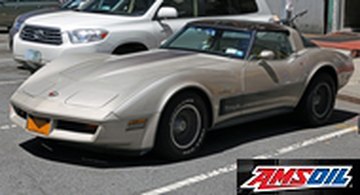
Maintaining Lubrication Standards for the 1982 Chevrolet CORVETTE 5.7L
Proper engine care for a high-performance vehicle requires a disciplined approach to fluid maintenance and regular inspections. For an owner of a 1982 Chevrolet CORVETTE equipped with the 5.7L engine, staying ahead of routine service needs is essential for preserving mechanical integrity and ensuring consistent performance over time.Monitoring Fluid Integrity and Engine Health
Maintaining the health of the 5.7L engine involves more than just periodic oil changes; it requires a proactive approach to monitoring how the vehicle operates under various conditions. One of the most effective ways to manage long-term maintenance is to observe any changes in how the engine behaves or sounds during operation. If you notice unusual mechanical noises, such as rhythmic tapping or increased grinding sounds, these can be associated with various lubrication or mechanical issues and warrant a professional inspection. Similarly, if you observe any unexpected exhaust smoke, it may indicate that oil is entering the combustion process, which should be investigated to determine the cause. It is also important to watch for visible signs of fluid seepage around the engine block or lower components. While some minor weeping from gaskets and seals can occur as a vehicle ages, significant leaks can lead to low lubricant levels and potential damage. If you notice any pooling of fluids under the vehicle after it has been parked, this should be addressed promptly to prevent further complications.Prioritizing Maintenance Based on Current Condition
When managing an older vehicle, maintenance priorities should be dictated by the actual condition of the components rather than just the age of the car. For a 1982 Chevrolet CORVETTE, establishing a baseline of what is currently functioning correctly is the first step in effective ownership. If you do not have access to a complete service history, your first priority should be to document the current state of all vital fluids and mechanical systems. Reviewing any available maintenance records can help identify if certain tasks, such as cooling system flushes or belt replacements, have been overlooked. If records are incomplete, treat the vehicle as if it requires a comprehensive inspection to establish a new baseline for future service intervals. Focus your immediate attention on addressing active concerns first. This includes investigating any reported leaks, responding to warning indicators, or addressing any noticeable changes in fluid consumption. Once these immediate issues are resolved, you can transition into a preventive maintenance mindset, which involves scheduled inspections of aging materials and components to catch potential issues before they lead to failure.Routine Inspection Points for Long-Term Reliability
A systematic approach to visual inspections can help identify potential problems before they escalate. During routine service, several areas should be carefully examined:- Gaskets and Seals: Inspect accessible gaskets and seals for signs of age-related seepage or leakage.
- Drive Belts: If equipped, check accessible drive belts for evidence of cracking, glazing, fraying, or other forms of deterioration.
- Hoses: If present, inspect various hoses for signs of softening, swelling, or surface cracks.
- Electrical Connections: Examine wiring and electrical connectors for signs of corrosion or loose connections that could affect engine performance.
- Air Filtration: Ensure the air filtration system is clean and free of debris to maintain proper airflow.